
Dodge’s aggressive midyear, midsize & SIX-PACK TO GO SUPER BEE delivered a venomous sting without breaking the bank!
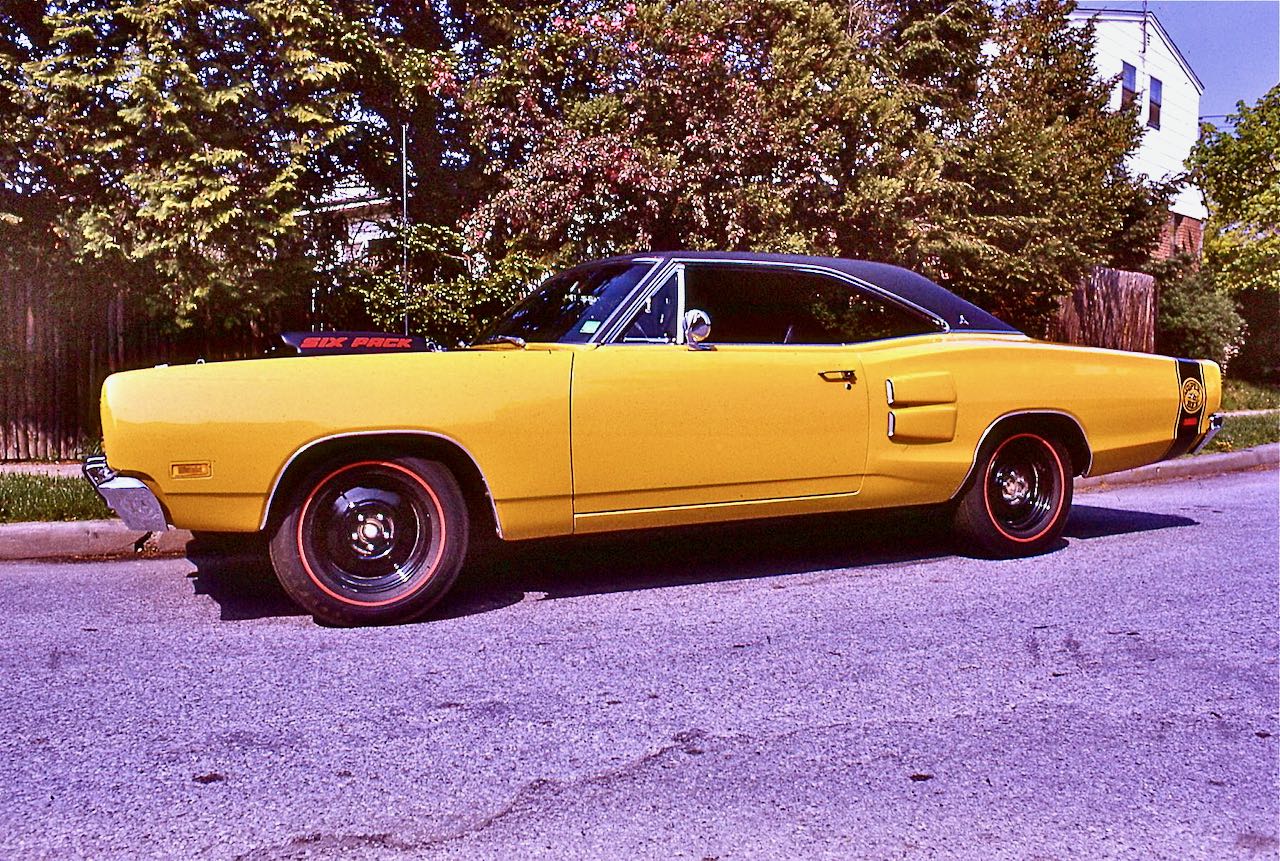
 Dodge’s highest-profile enthusiast offerings were the low-volume ’69 ½ Charger Daytona and Super Bee. The winged Daytona was the first stocker to clock over 200 mph on superspeedways and set Flying Mile records at Bonneville.
Built off the midsize Coronet platform, the Super Bee was packaged for testosterone-infused enthusiasts. Like the streamlined Charger 500 and Charger Daytona, Detroit’s Creative Industries handled final assembly of Dodge’s in-your-face Super Bee. With its lift-off, scooped fiberglass hood, tri-power 440 Wedge, beefy Dana 60 rear end, status graphics, taut suspension and “electric” colors, the Super Bee was not just another poseur.
On February 19, Creative received the first one hundred 383 Coronets for Code A12 conversions to 440/390 Super Bees. Our Hi-Performance CARS tester was from the first conversions. Later, 440 engines were installed at the Chrysler assembly plant. There was also a Code A12 Road Runner, powered by the same engine and fitted with a matte-black finish and a lift-off fiberglass hood.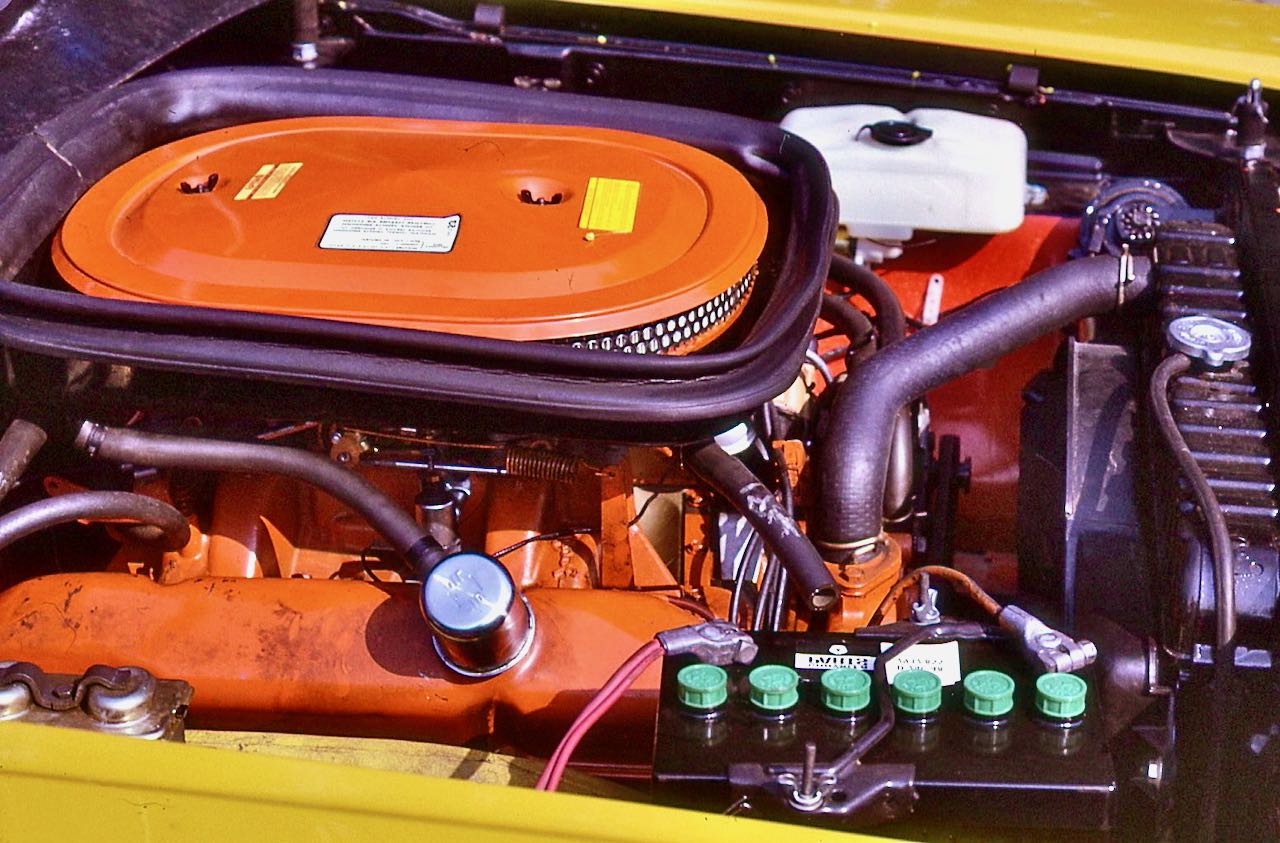 We tested a ’69 ½ SIX-PACK TO GO SUPER BEE in the September 1969 issue of Hi-Performance CARS magazine. It was powered by the new 10.5-to-1 compression 440 Six-Pack engine rated at 390 horsepower at 4,700 rpm and 490 pound-feet of torque at 3,200 rpm. A stout performance engine, it boasted forged pistons and rods, a high-lift 276/292-degree-duration cam with 54 degrees overlap, tuned cast-iron exhaust manifolds and low-restriction duals. Air conditioning, power front disc brakes and cruise control were not available.
Early A12 SIX-PACK TO GO SUPER BEE conversion engines utilized Edelbrock aluminum tri-power manifolds engineered and designed by Chrysler. Once the 440/390 became an RPO on other models, Chrysler cast the six-barrel manifolds. When the vacuum-activated end carbs opened, total airflow for the three Holley two-barrels was an impressive 1,000 cfm.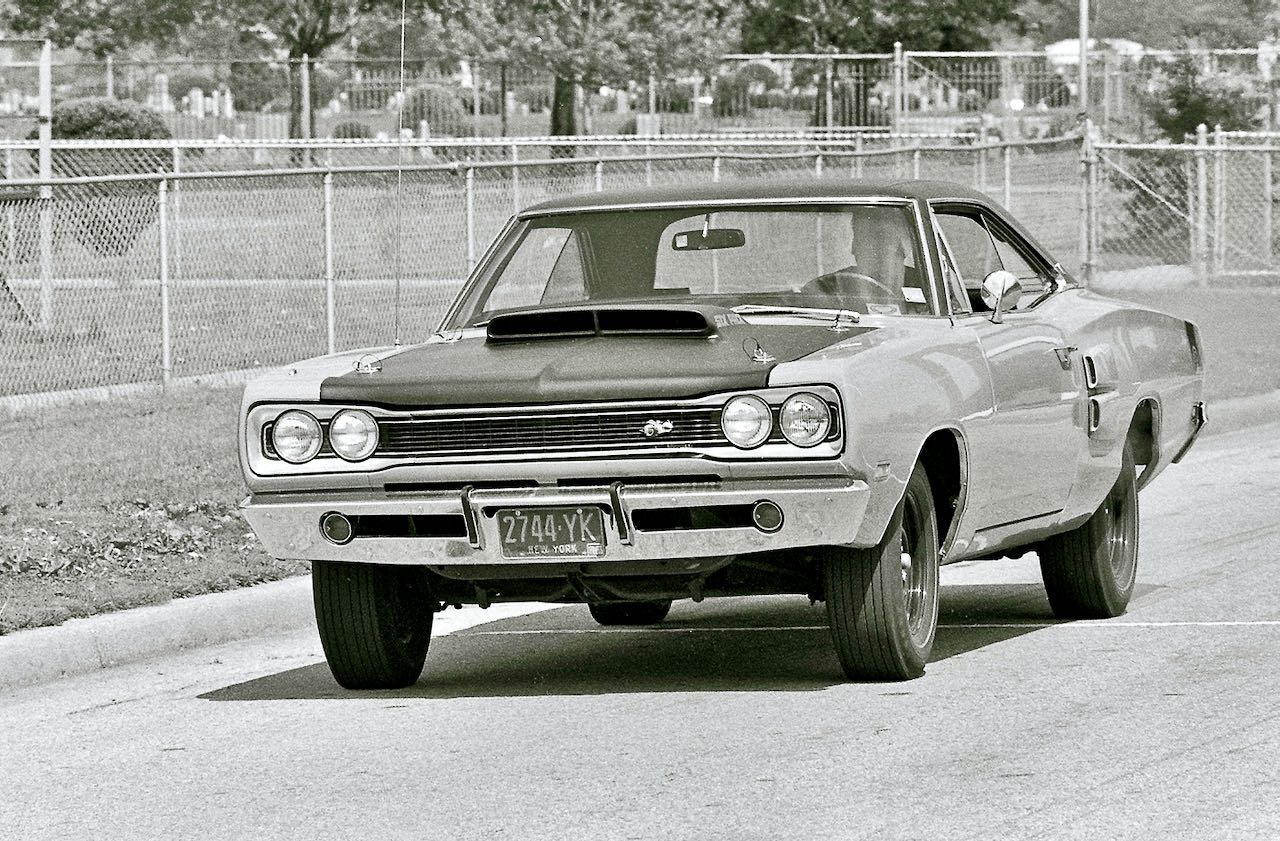 Totally stock with a 3.55 Sure-Grip Dana 60 rear, our four-speed Super Bee recorded average 0-to-60 times of 6.6 seconds and track times of 99-100 mph in the 14.60s-14.80s. Our best time was 100 mph in 14.65 seconds, shifting at approximately 5,500 rpm. With some typical period tuning, more aggressive rear gearing and cheater slicks, it would be a solid 13-second quarter-miler!
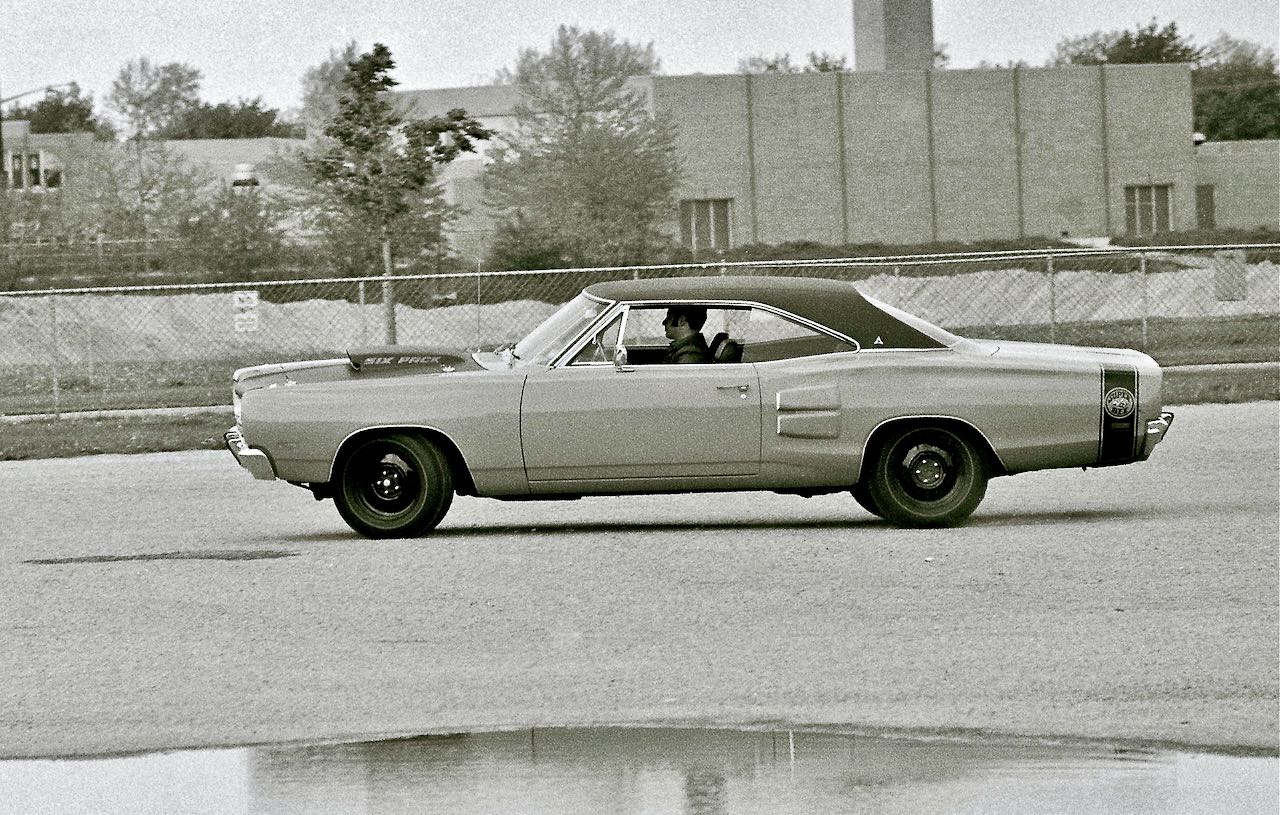 Chrysler engineers paid a lot of attention to the Super Bee’s handling and traction qualities. Front 0.92-inch torsion bars were used as well as a 0.94-inch sway bar. Left-side rear springs received five leaves plus two half leaves, and the right-side springs had six leaves. Handling was excellent, but its manual drum brakes left a lot to be desired.
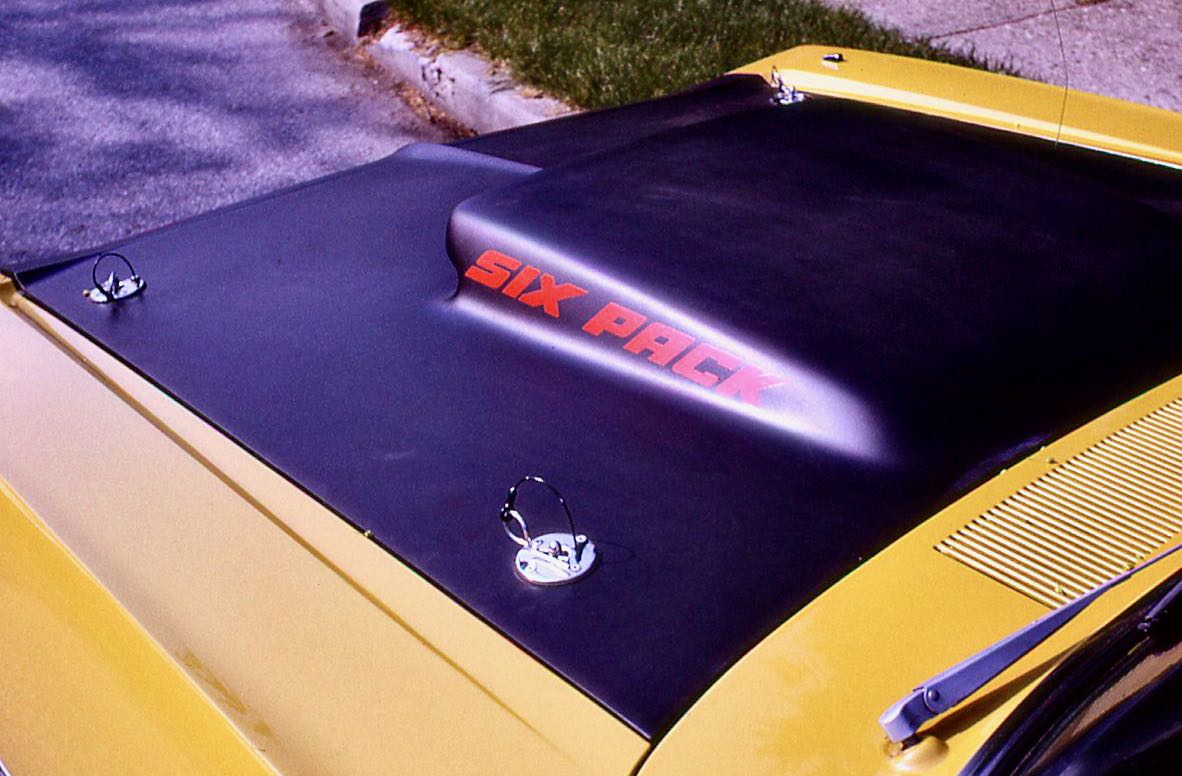 The scooped fiberglass hood looked fantastic, but also presented problems. There was a security issue since only four hood pins held it in place. Checking the oil became a two-person job, and the scoop provided easy entry for water when driving in the rain. Unlike fiberglass Corvettes with ignition shielding to ward off radio interference, the Super Bee lacked protective shielding. Its exhaust sounded so much better than its radio!
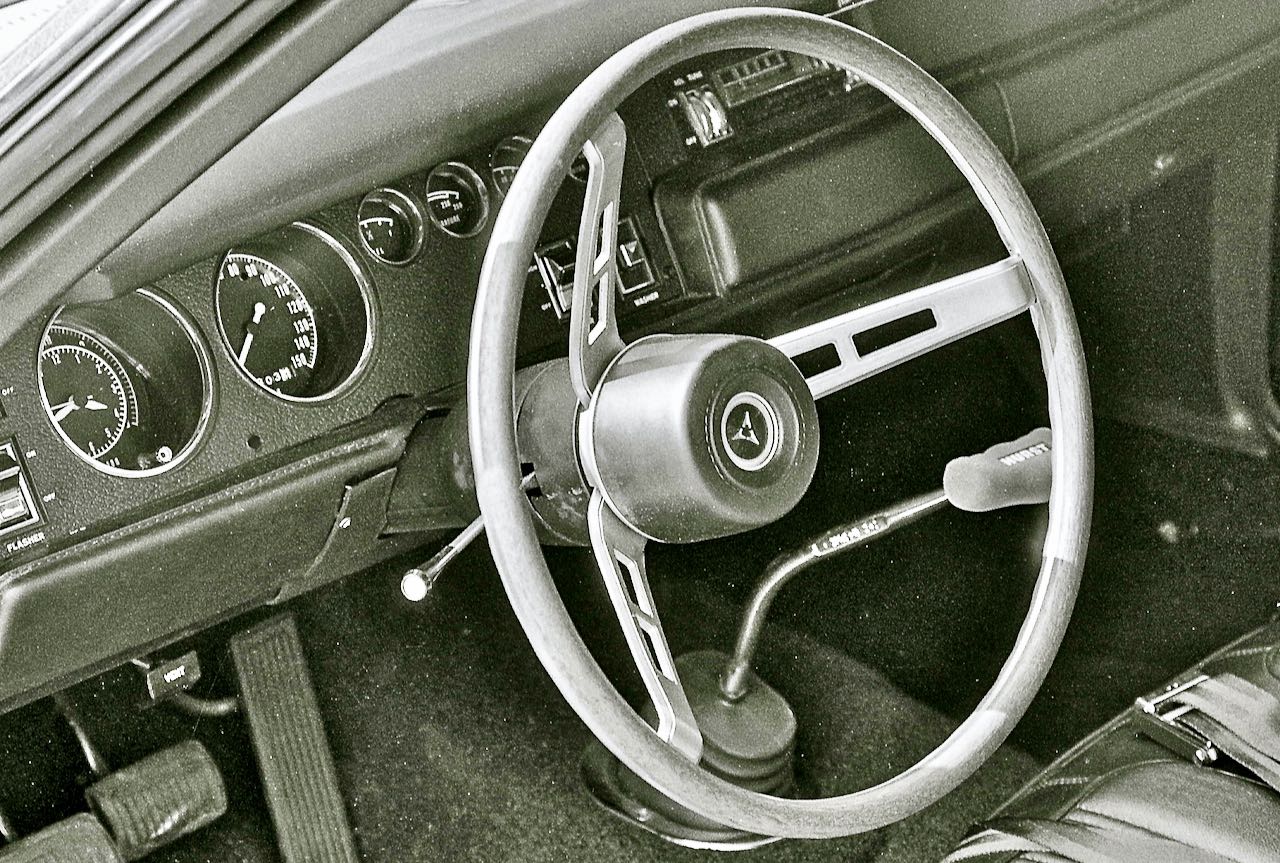 Although packing 35 horsepower less than the 426 Street Hemi, the tri-power 440 SIX-PACK TO GO SUPER BEE was a more flexible road warrior with incredible torque. It was a lot easier to live with, and I found it a better street performance engine. I would have preferred that our tester had a TorqueFlite rather than a clunky four-speed. Either way, the Super Bee had the sting Dodge needed to score with serious enthusiasts.
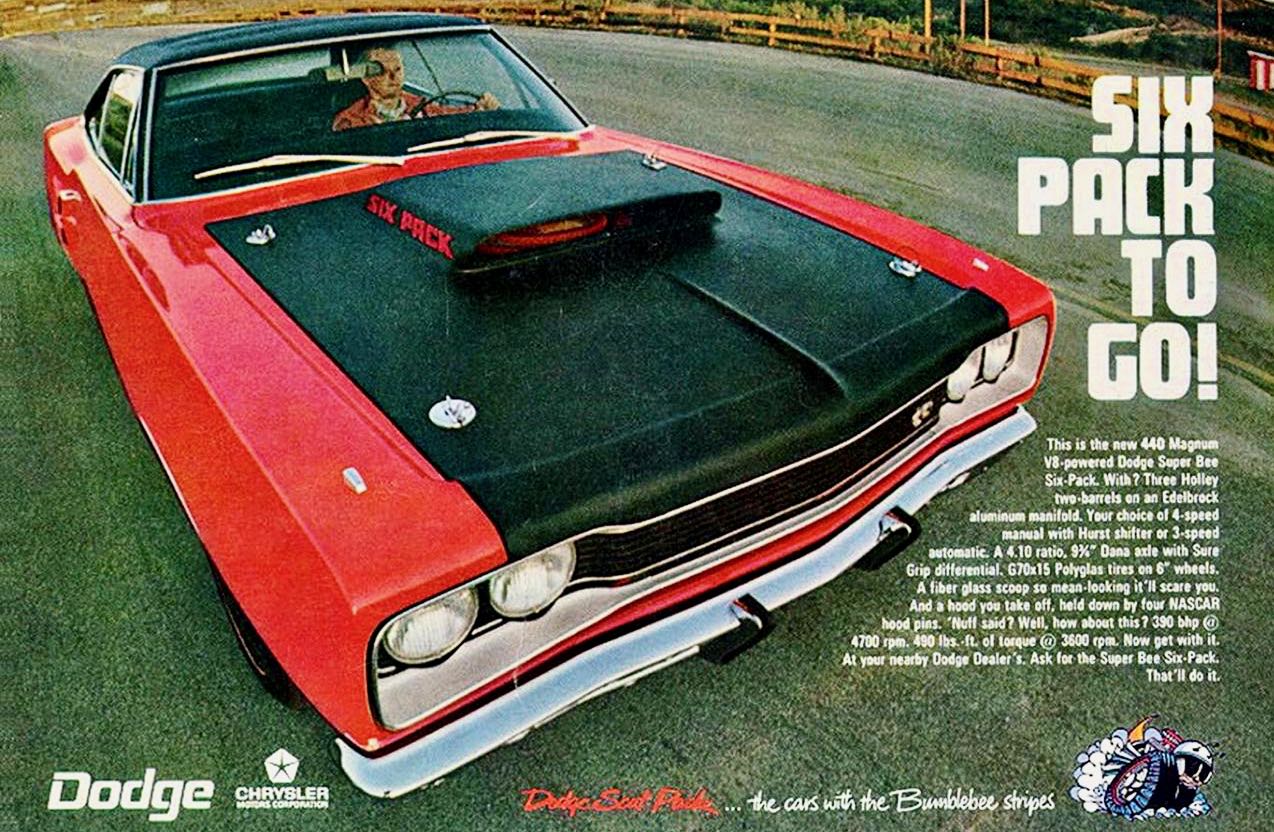 OVER-DRIVE Magazine: “Dodge, (Tom Hoover) . . . then Plymouth had a great idea, the Hemi option on the Super Bee and the Road Runner added almost 25-30% to the cost of that Muscle, topping out these cars at over $5,000. So why not get similar performance for a lot less bucks? Enter the “Six Pack” (Dodge) and “440-6” (Plymouth). $463 got you the Hemi suspension, 4.10:1 Sure Grip axle, and more goodies were included, like a lift-off hood on the Dodge. Other performance options were available.”
For more details about Dodge’s complete 1969 midsize lineup, please visit OVER-DRIVE, https://over-drive-magazine.com/2024/05/31/1969-dodge-mid-size-cars-fact-sheet/
|
|
|