
Roy Lunn’s FORD MUSTANG 1 MID-ENGINE CONCEPT was a 100-day-wonder that had much more to do with the GT40 racecar than the sporty production Mustang!
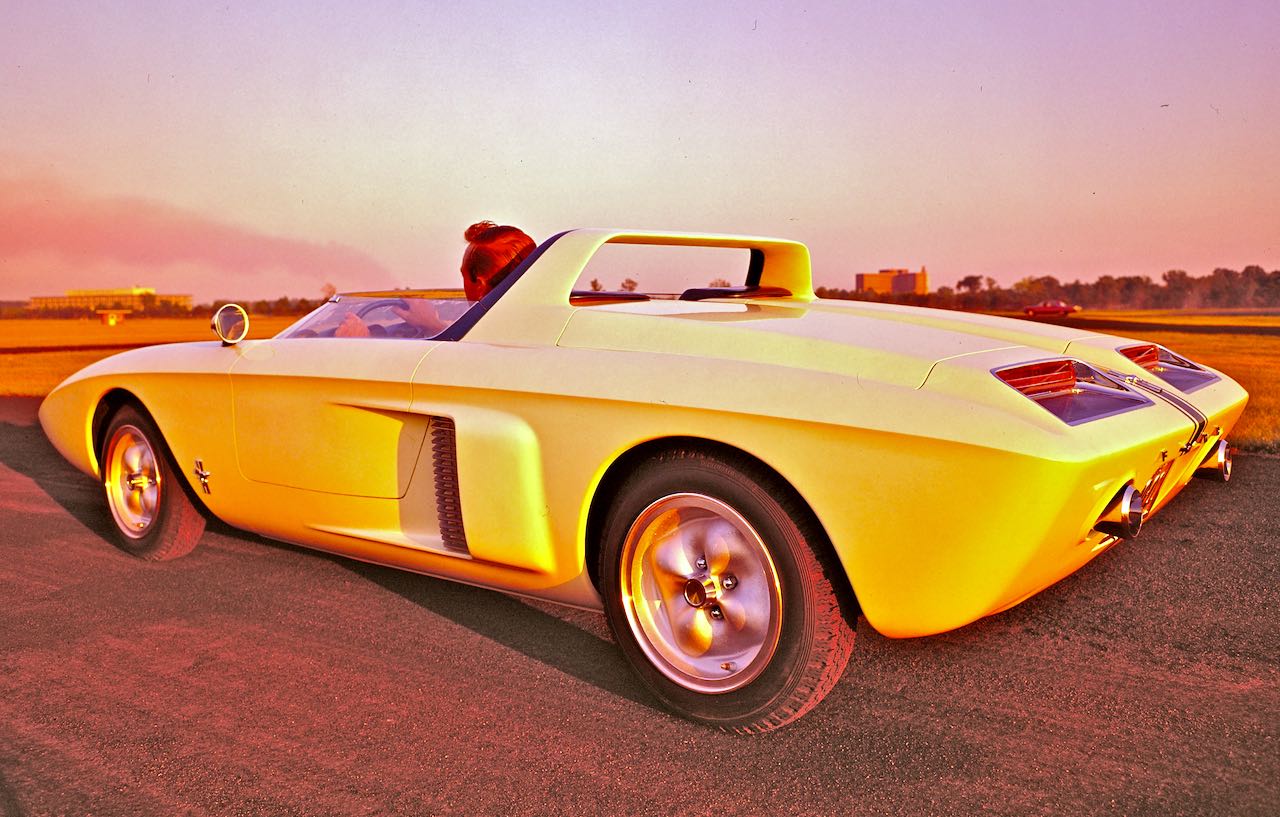
 In early June 1962, famed sports car constructors Troutman and Barnes in Culver City, CA received body molds from Ford for an experimental sports car – the Mustang I. Troutman and Barnes were known for building stunning Indy and sports cars, including Lance Reventlow’s Scarab.
Known internally as Project W-301, Mustang I was a concept for a serious sports car that would have little to do with the Mustang that would surface two years later. Championed by Ford general manager Lee Iacocca and styling chief Gene Bordinat, the Mustang I was conceived by Roy Lunn to give Ford a sporty, hip image, and test the waters for a future sports car. It did everything it was supposed to do and, more importantly, Mustang I laid the groundwork for what would become the game-changing GT40. Lunn went on to run Ford’s Le Mans racing program and was responsible for the Fords that won in 1966 and 1967.
Troutman and Barnes created the Mustang I tubular-steel space frame, stressed-aluminum body, and full-length belly pan, per specifications supplied by Ford Design and lead engineer Roy Lunn. Lunn, a chassis engineer who joined Ford UK from Aston-Martin, would later head the team that designed and engineered the Lola-built GT prototype and the GT40. He was also responsible for the 1966 GT40 Mark II and 1967 Mark IV.
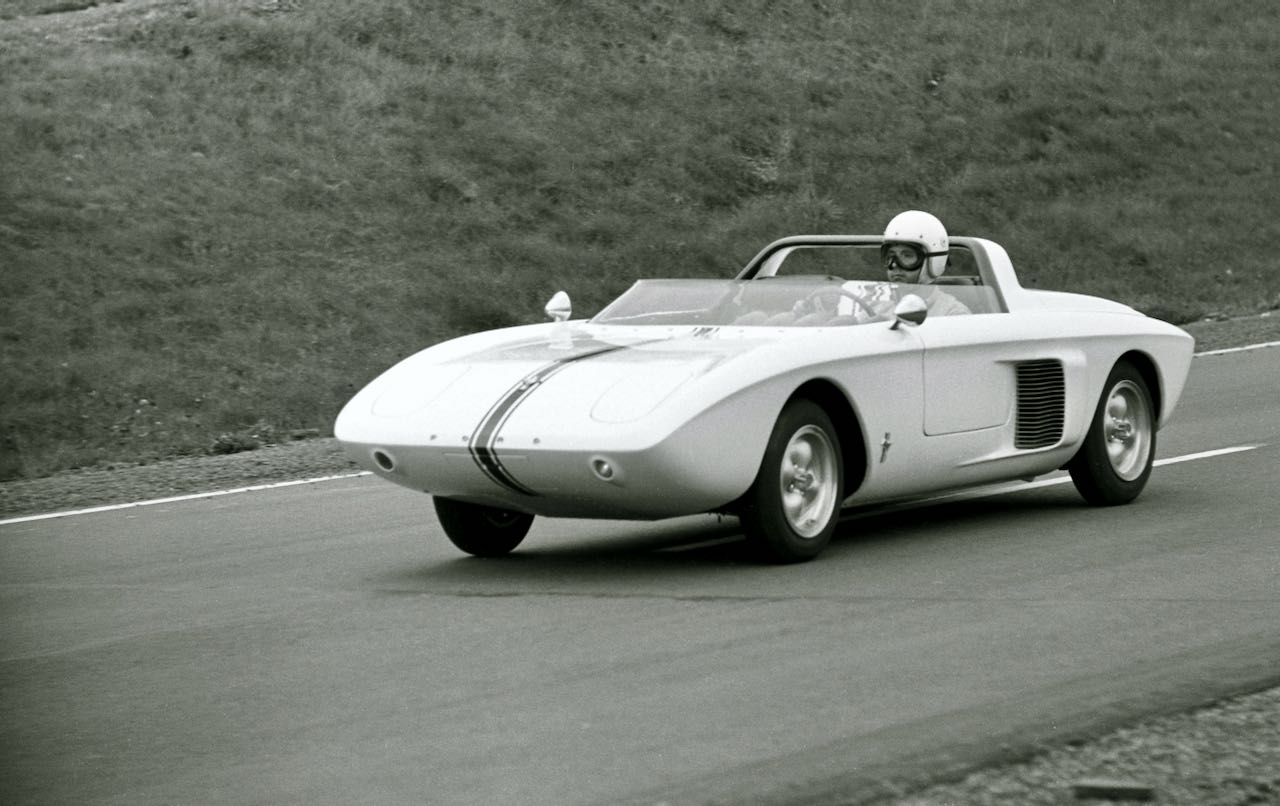
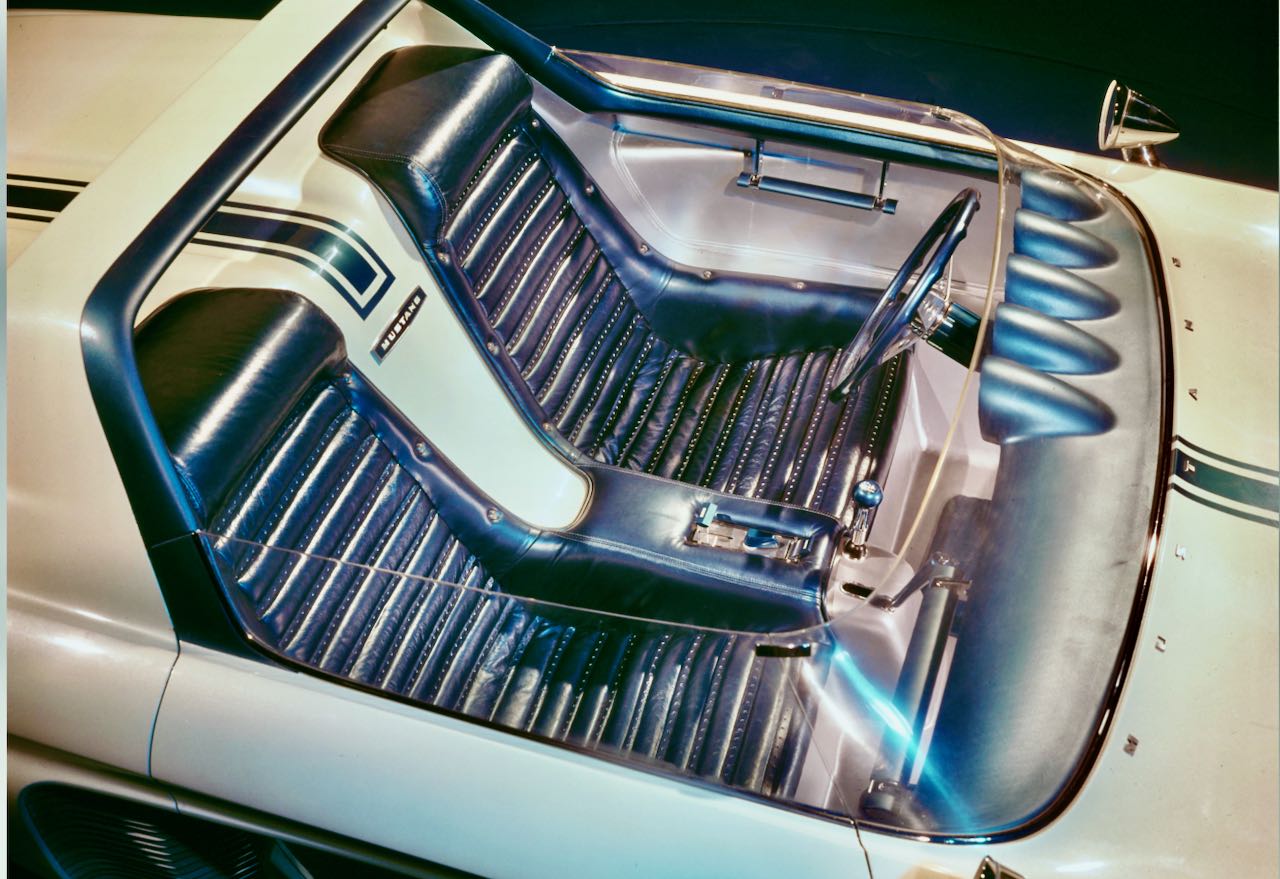 With its aerodynamic body and full belly pan, the FORD MUSTANG 1 MID-ENGINE CONCEPT benefited from extensive time in a wind tunnel and Computer-Aided Design (CAD) – a first at Ford. Its full belly pan eliminated wind resistance typically caused by crossmembers, springs, steering components, and suspension brackets. Four adjustable coil-over spring-shocks finished off the four-wheel fully independent suspension. Chassis rigidity was further enhanced by a built-in roll bar and fixed-mount bucket seats. An adjustable steering column and pedals with four inches of travel (carried over to the GT40) ensured a comfortable driving position.
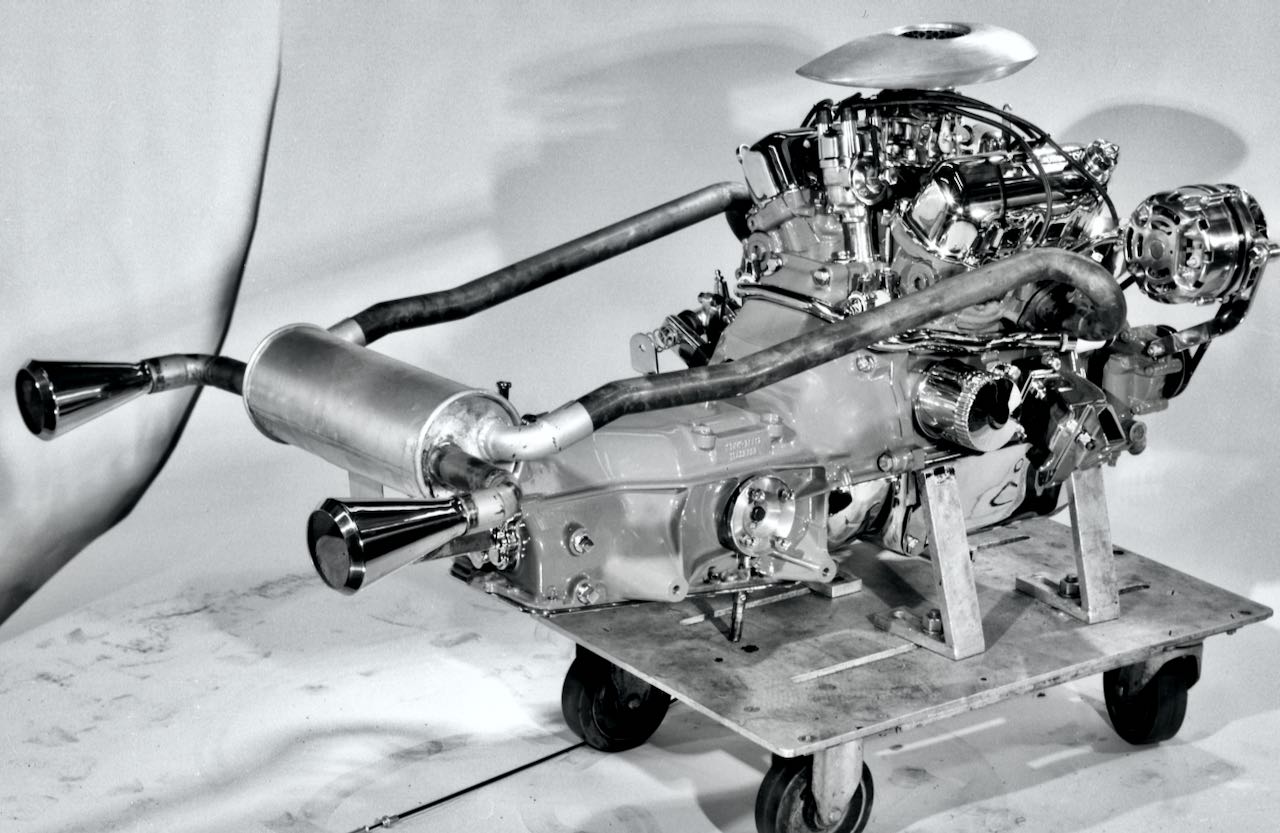
 One of Lunn’s goals was to set the standard for a 1.5-liter sports car that could be raced in SCCA-FIA events. He chose the compact German Ford Taunus 12M 60-degree V-4, midship-mounted with a four-speed transaxle. Ford Engineering built two 11-to-1 compression 91-cubic-inch engines: one with a single carburetor for the road, rated at 89 horsepower at 6,500 rpm, and a track version with a pair of Weber two-barrel carbs, rated at 109 horsepower at 6,500. At 1,544 pounds, the 90-inch wheelbase track-engined Mustang I could sprint from 0 to 60 mph in under 10 seconds and had a top speed in excess of 100 mph.
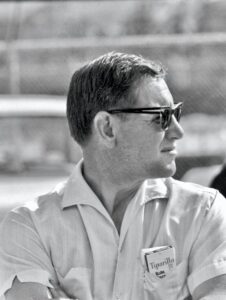
Constructed in approximately 100 days, Roy Lunn, left, debuted the Mustang I to the public on October 7, 1962, at the United States Grand Prix at Watkins Glen. Dan Gurney hot-shoed the Mustang I around the track, and spectators went wild. Ford followed with successful reveals at Laguna Seca and Daytona before shipping it for media and public events in Europe. The “100-day-wonder” FORD MUSTANG 1 MID-ENGINE CONCEPT was an overwhelming success at many marketing and engineering levels, not the least of which was production Mustang brand exposure. The only thing the production car shared with the Concept was the MUSTANG nameplate!
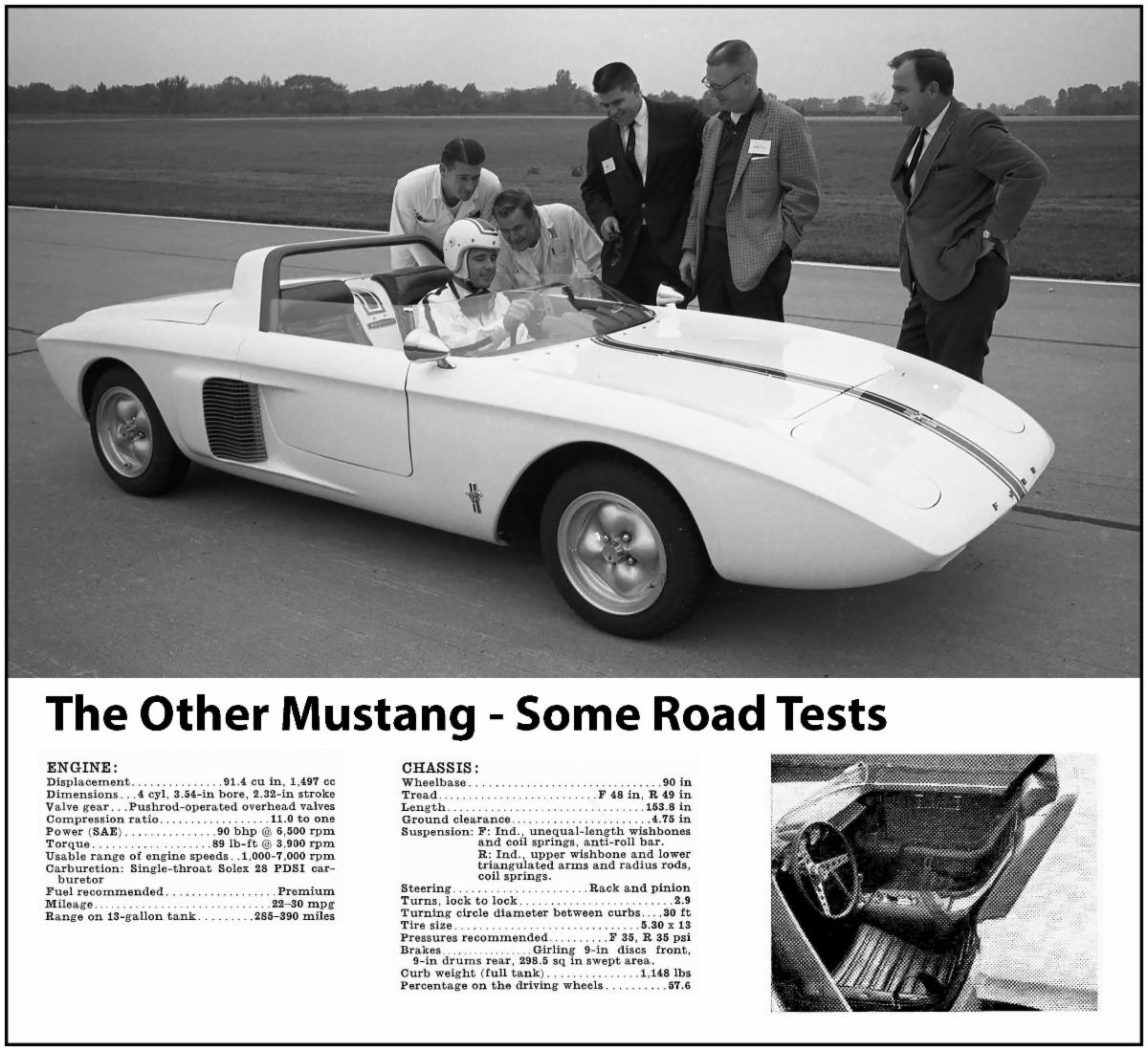 Our friends at OVER-DRIVE Magazine have archived FORD MUSTANG 1 MID-ENGINE CONCEPT road tests, available @